
The warehouse clock, the repacking defaults and the packing menu
What happens between the inspection photographs and the parcel: how long things may sit, what it costs to extend, what gets unwrapped, and what protection can be bought.

Two published storage windows, and how we plan around them
The help centre says sixty free days, counted from the moment an order flips to warehouse status. The beginner guide says ninety, and the home page banner agrees with the guide. Three published surfaces, two numbers, no note anywhere reconciling them.
Both get printed here. For planning we use the shorter one, because the consequence at the end of the window is not reversible: goods with no parcel submitted and no renewal count as abandoned, get disposed of, and their ownership moves across to the platform.
The renewal button and when it exists
Renewal is not available for the whole window. The published rule is that the button appears twenty days before the end and stays up until seven days after it, and that paying the fee adds thirty days. Reminder mails are sent ten days before the end, on the day itself, and on the eighth day after.
The renewal dialog offers four lengths at four prices, which works out at a flat ten yuan per thirty days with no discount for buying more.
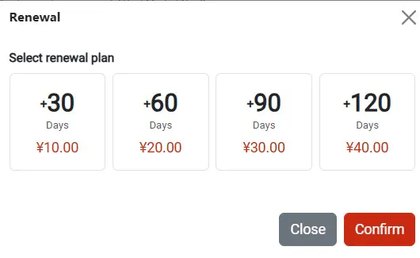
Our warehouse clock turns an arrival date into the four dates that matter: when the button opens, when the reminders land, and the last day it is offered.
What gets unwrapped before it is shelved
Courier packaging is removed by default on arrival. The published reasons are that transit packaging gets dirty or damaged and that it carries personal information, so the carton or poly mailer goes and the item is repacked.
Seller packaging is treated differently. If the item came in its own bag, that bag is kept; if it did not, the warehouse adds one. Large items usually keep their outer carton to protect them in handling, fragile goods keep it if there is no inner box, and bulk orders sometimes keep the carton as the storage container.
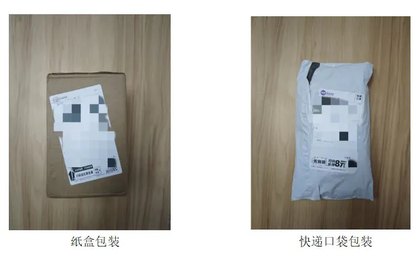
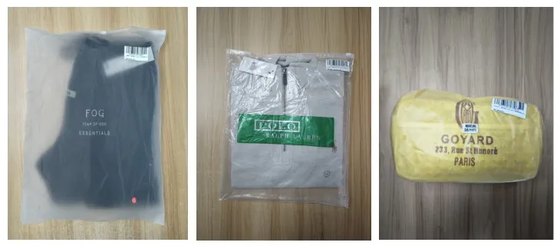
Measuring and weighing happen at the same point, after repacking, which is why the weight shown against a stored item already includes its packaging and still is not the final figure.
The packing menu, with the published prices
Everything below is bought at the moment you submit a parcel, not at the order stage. Prices are in yuan and the per-parcel ones apply to the whole box, not to each item in it.
| Service | What it does | Price |
|---|---|---|
| Parcel preview | Pack and weigh first, pick the route and pay afterwards | 20 per parcel |
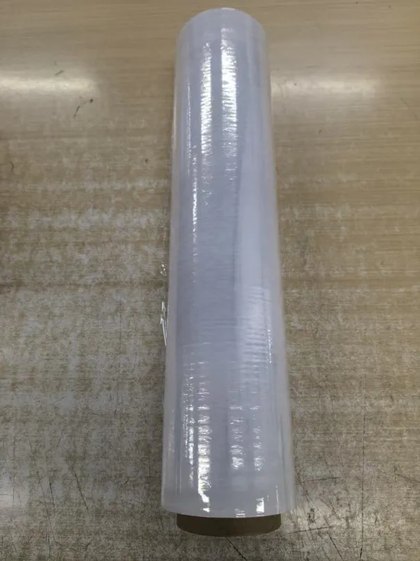
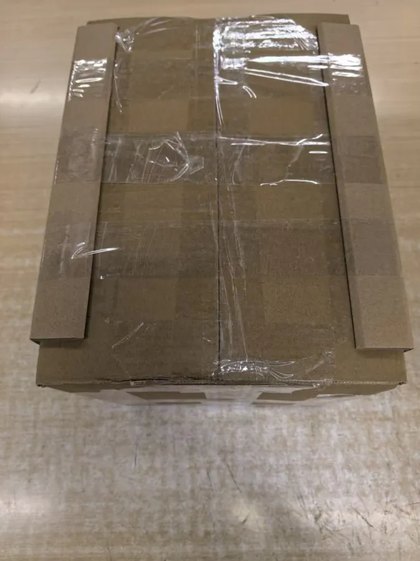
| Stretch film | Two or three layers of film against damp, dust and scuffs | 15 per parcel |
| Carton reinforcement | Folded board around the corners of the box | 20 per parcel |
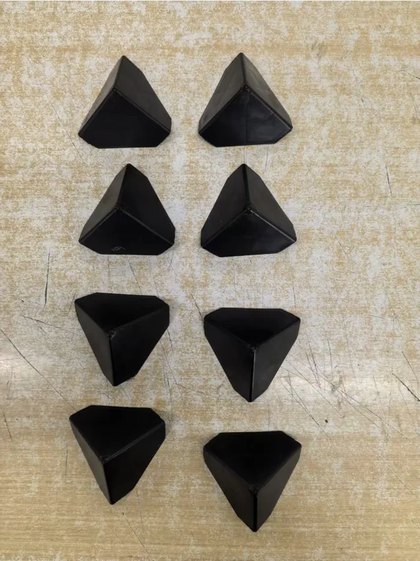
| Impact corners | Hard plastic guards on each corner | 10 per parcel |
| Vacuum extraction | Compresses the contents as one block | 20 per parcel |
| Shoe trees | Keeps footwear in shape under pressure | 10 per item |
| Collapsible shoe box | Refolds the box flat to cut volume | 3.5 per item |
| Foam wrap | High-density cushioning for valuables and fragiles | 5 per item |
| Packaging removal | Takes off outer boxes to cut weight and volume | Free tier |
| Label removal | Neck labels, wash labels and hangtags, within a day | 3 per item |
Read from the package and goods value-added service articles on October 22, 2026.
Two services that cost you the return route
Packaging removal and the collapsible shoe box both carry the same published consequence: once they are done, the item is no longer eligible for after-sales service. Label removal carries it too, and adds a recommendation to confirm with a customer manager first.
That is a reasonable trade when you are certain about an item and want the volume down. It is a poor trade on anything you are still unsure about, which is an argument for doing the return thinking during the five-day window rather than at the parcel stage.
Parcel preview is the service that buys you time instead. Paying the packing fee up front and choosing the route after the real weighing removes the deposit guesswork entirely, which is worth more on a bulky parcel than on a flat one.
- Weight that gets billed Estimated, packed and volumetric, in that order.
- Routes and delivery What the picker shows and what it cannot.
- Returns and claims The five-day clock and the forty-five day cap.