
Returns, faults and claims, with both clocks laid out
One clock starts when an item reaches the warehouse and runs for five days. The other starts when a parcel leaves and caps at forty-five. Here is how both behave.

Two clocks, started at different moments
Almost every after-sales question comes down to which clock is running. One governs sending an item back to its seller while it is still in China. The other governs a complaint about a parcel that has already travelled.
The first is counted in hours: the published wording is a hundred and twenty hours, starting from the next full hour after the item is shelved, with a countdown shown next to the return button and the button itself disappearing when it expires.
What a return costs, and the figure that disagrees
The after-sales notes put a handling fee of about seventy-five cents on each returned item, plus return shipping, and estimate the total at around three dollars. The terms of service take a different line: the five-day return is described there as free once in any thirty days, with charges applying after that.
Both are published. The gap matters most to anyone returning a second item inside a month, so the sensible reading is to expect the fee and be pleased if the free allowance applies.
| Reason for the return | Who pays the shipping |
|---|---|
| Changed mind, wrong choice, budget | You do |
| Wrong item sent, or a quality fault | The seller does |
| Damage during the domestic leg | Handled case by case |
| Item not yet shipped by the seller | No fee published |
Published responsibility split from the purchasing service article.
Approval is not automatic. The published process is that the agent negotiates with the seller on your behalf and the seller's own rules apply, including whether the packaging has to be intact. Customised goods are excluded outright, as are opened media, items missing parts and anything without the original purchase record.
Faults, and the published list of things that are not faults
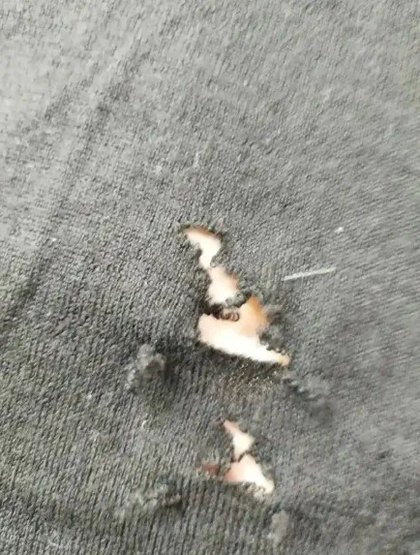
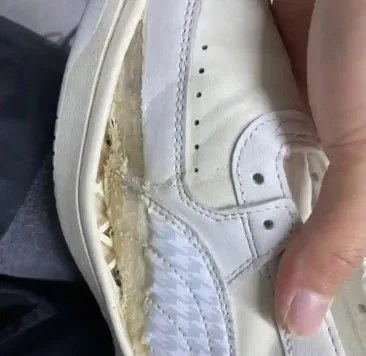
The fault guidance is unusually specific, and it is worth reading before taking photographs of a hem. Mismatched sleeve lengths, a sole coming unglued, real damage and deep scratches are listed as quality problems.
On the other side of the line: stitching that does not affect wear, marks that will wash out, trimmable threads, slight dust on a sole from a fitting, small dents in a packaging box, and minor detail differences in handmade goods. The published position is that these are not quality problems and will not be treated as grounds for a claim.

Claiming on a parcel that travelled
The window is the shorter of seven days from confirming receipt and forty-five days from dispatch. If a parcel took thirty-nine days to arrive, the remaining six are all there is, and confirming receipt does not add a week on top.
| Situation | Published window |
|---|---|
| Receipt confirmed, and the forty-five day cap is at least a week away | Seven days |
| Receipt confirmed, with less than a week left of the cap | Whatever remains of the cap |
| Receipt never confirmed | Whatever remains of the cap |
From the after-sales validity table. Our calculator turns a dispatch date and a transit time into the actual deadline.
Evidence requirements are listed per problem: a photograph of the damaged or stained area, a photograph of the size label where the size is wrong, a photograph of the whole item where the style is wrong, and for a short count the waybill, the intact outer packaging, a group photograph of everything that arrived and the carrier's own weight record.
Insurance, and what it never covers
Insured parcels are compensated at the actual shipping cost plus the actual value of the goods, capped at the insured amount. Uninsured parcels fall back to a per-route compensation standard. Both are claimed through support rather than through a form.
The exclusions are the part worth reading in advance: theft after delivery, damage caused by the nature of the goods themselves, prohibited or restricted items, anything seized for a clearance failure on the recipient's side, missing documentation, and any claim raised after the deadline. Fragile goods have their own line: claims are accepted for loss but not for breakage, reinforced packing or not.
Raising it with a person
Support runs through the account rather than through email in the first instance. The published routes are the chat icon on the order page for order problems, the same icon on the parcel page for parcel problems, and a general entry for everything else. Complaints about staff or service go the same way.
A support address is published for account mail, and the affiliate programme writes from a different one. Neither is a substitute for the ticket trail attached to the order.
- Inspection photographs What the standard covers before any of this applies.
- Routes and delivery Signing rules and failed-delivery fees.
- Calculators Work out your own deadline.