
Inspection photographs: what they prove and what they refuse to
Three to five photographs per item, an appearance standard that names its own exclusions, and a set of upgrades for when that is not enough.

What the standard inspection covers
Standard inspection is an appearance check plus a prohibited-items screen. The published list is style, quantity, colour, size, model, large-area damage, stains and visible defects, with three to five photographs returned per item and the goods repacked afterwards.
Two sentences in the same article do most of the work. Submitting an order counts as permission to open original packaging for photography, except sealed plastic. And colour variation, size deviation and how something performs in use are outside the scope entirely.
One more number floats around. The order panel on a rebuilt listing advertises free high-definition inspection photographs in a band of three to seven, while the help article says three to five standard ones and sells the high-definition set separately. Both were on screen on the same day, so expect three and be glad of more.
The rules that change with quantity
Buying several of the same thing changes what you get back, and the published rules are precise enough to plan around.
- Several identical pieces, one size
- Each is checked, but the photographs are one detailed image plus a group shot, so the count can be verified.
- One style, several sizes
- Sorted by size first, then photographed in size groups.
- Different styles
- Photographed individually, one set per piece.
- Sealed film, labels or seals intact
- Not opened. The outer packaging is checked and the contents are taken from what the packaging says.
- Blind-box figurines
- Deliberately left sealed so the surprise survives. An opening service exists if you would rather know.
- Electrical and digital goods
- Appearance only. No power-on test, no judgement on function or authenticity.
- Auction lots, lucky bags and listings with obscured photographs
- Named in the help centre as cases where details cannot be verified in advance, so inspection is limited accordingly.
Reading the QC set you get back
The photographs arrive flat and unannotated, so it helps to have an order to look at them in. This is the order we use, built from what the published standard says it will and will not look at.
- Count first. The group shot exists to prove the quantity; if it is missing and you ordered several, ask before the parcel is built.
- Check the size label against the measurement you gave, not against the size you normally wear. The published position is that seller sizing is not standardised.
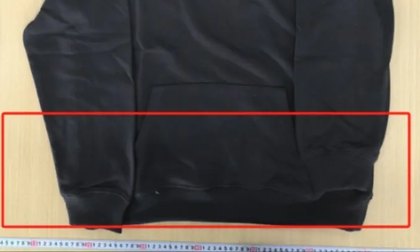
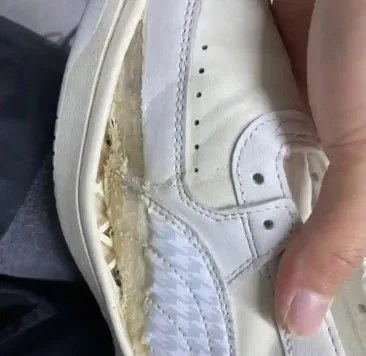
- Look at seams, soles and closures. Separation and splitting are on the fault list; a trimmable thread is explicitly not.
- Look for stains rather than marks. Large-area staining counts; something the published list describes as washable does not.
- For anything with a lid, a cable or a battery, accept that the photographs prove it exists and arrived intact, and nothing more.

Buying a sharper look at an item
When the standard set is not enough, the published answer is an upgrade rather than a stricter standard. High-definition photography is shot to your written brief, one photograph per detail, so asking for chest width, length and a logo close-up counts as three. Video inspection returns twenty to ninety seconds, a full turn by default, sent to the registered mailbox and charged per item.
Both are bought in the warehouse view after the item is shelved, and both need the item number if you order them later. Neither changes what the standard check covers.
| Upgrade | What it returns | Published price |
|---|---|---|
| High-definition photography | One image per named detail, to your brief | Per photograph, shown at purchase |
| Video inspection | Twenty to ninety seconds, a full turn by default | 35 yuan per item |
| Opening a sealed or blind-box item | Contents photographed instead of the sealed box | Bought as a value-added inspection |
Read from the value-added service articles on October 22, 2026.
When the photographs show a problem
There are two separate clocks and they are easy to confuse. A return to the seller runs five days from the moment the item is shelved. A claim about a parcel runs from signing or from dispatch, whichever caps first.
The return clock is the urgent one, because it starts while you are still deciding what else to buy. The agent negotiates with the seller on your behalf, and the published outcome depends on whose fault it is: changed mind, wrong choice or budget means you pay return shipping; wrong item or a quality fault means the seller does.
- Returns, claims and the two clocks Both windows, with the published figures.
- The warehouse clock Storage, renewal and what gets repacked.
- Picking better in the first place Seller signals, listing signals, size signals.